
When a seller calls me the first thing I want to understand is where you are and where you want to go, financially, emotionally, and personally. I work with homeowners throughout Northborough, Westborough, Shrewsbury, Southborough, Hopkinton, Hudson, and Central Massachusetts communities.
From there everything I do is focused on one thing. Protecting your equity and getting you there.
Most sellers come to me after spending weeks trying to figure out what to fix, update, or change before listing. The problem is that without the right guidance those decisions can cost you time, money, and leverage before your home ever hits the market.
That is exactly why I built the MOVE Method.
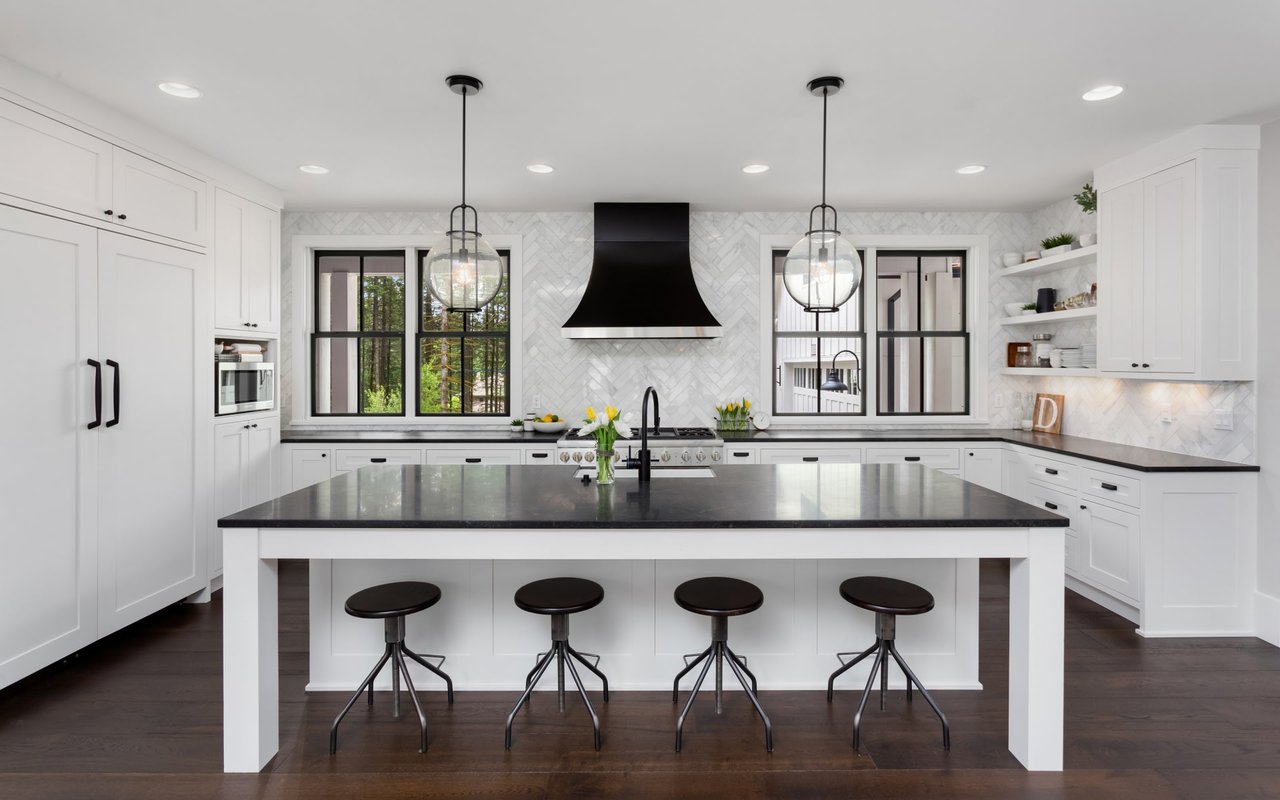
Every successful sale in Northborough and across Central Massachusetts begins with understanding exactly what the market is doing right now.
Not what it did six months ago. Not what your neighbor's home sold for two years ago. What buyers are doing today, how they are thinking, what they are comparing, and what they are willing to pay for a home like yours.
That context shapes every decision that follows. Pricing, timing, preparation, and positioning all depend on getting this right from the start.

Before a home hits the market there is almost always an opportunity to strengthen how buyers will receive it. The right preparation is about doing what actually matters to buyers, and knowing what doesn't.
I help you identify exactly what will make a difference and what won't. Sometimes that is a small change in presentation. Sometimes it is one strategic improvement that completely changes how buyers perceive the home.
It's never guesswork. Every recommendation is based on how buyers in this market are actually responding right now.

Buyers decide how they feel about a home within seconds, often before they ever step inside.
They form that impression online from your photos, your presentation, and how your home is positioned relative to everything else available in your price range. That first impression determines whether they feel drawn in or choose to move on.
I understand how buyers respond emotionally to a home. That understanding is what shapes how your home is presented, photographed, and introduced to the market, so when buyers walk through the door, they're not wondering if this is the one. They already know.

When a home hits the market the preparation is done. What happens next determines whether all of it pays off.
Every showing, every offer conversation, every negotiation, and every decision from launch through closing either strengthens or weakens your position.
I manage that process with the same attention and care at the end as at the beginning. Because getting to closing isn't the goal. Getting you to the right outcome is.
Preparing a home isn’t about doing more. It’s about doing what matters.
Buyers don't evaluate a home feature by feature. They respond to how it feels, how it compares, and how easily they can see themselves living there.
That means the goal isn't to update everything. It's to identify the specific changes that shift perception, what creates confidence the moment a buyer walks in, and what simply isn't worth the time or money. That's exactly what I help you figure out.
Pricing isn't about guessing, it’s about positioning.
Buyers don't determine value in isolation. They compare your home to every other option available in the same price range.
That means the right price isn't just about what a home is worth. It's about where it sits within the market and how it stands out within it.
When that alignment is right, buyers don't need to be convinced. The home does that on its own.
Exposure creates interest, but presentation shapes how buyers respond.
Getting eyes on your home is only half of it. What those buyers see and feel when they find it is what determines whether they act.
I combine maximum exposure with intentional presentation, reaching as many qualified buyers as possible while making sure what they find tells a story. Not just a list of features, but a life they want to step into.
The marketing behind every listing I take is comprehensive, intentional, and built specifically around your home.
Strong offers don't begin with the offer. They begin long before it.
The conversations I have with other agents, the way I position your home at every showing, the way I make sure buyers understand its value before they ever sit down to write a number, all of it is intentional. All of it is designed to create the conditions where strong offers become the natural result.
By the time an offer arrives, I have already been working to shape it.
From there it is about protecting your position. Understanding what each offer is really saying, structuring terms that serve your goals, and guiding the process all the way to closing with the same attention it started with.
The highest possible outcome for your home. And everything I do from the moment we start is designed to get you there.
If you are thinking about selling your home in Northborough, Westborough, Shrewsbury, Southborough, Hopkinton, Hudson, or anywhere across Central Massachusetts, this is where we start. Not with a list of things to fix. Not with a Zestimate. With a real conversation about your home, your situation, and what the right strategy actually looks like for you. No pressure. Just clarity.
Start the Conversation →